
Say This at Check In: A Low Trauma Manicure for Brittle Nails
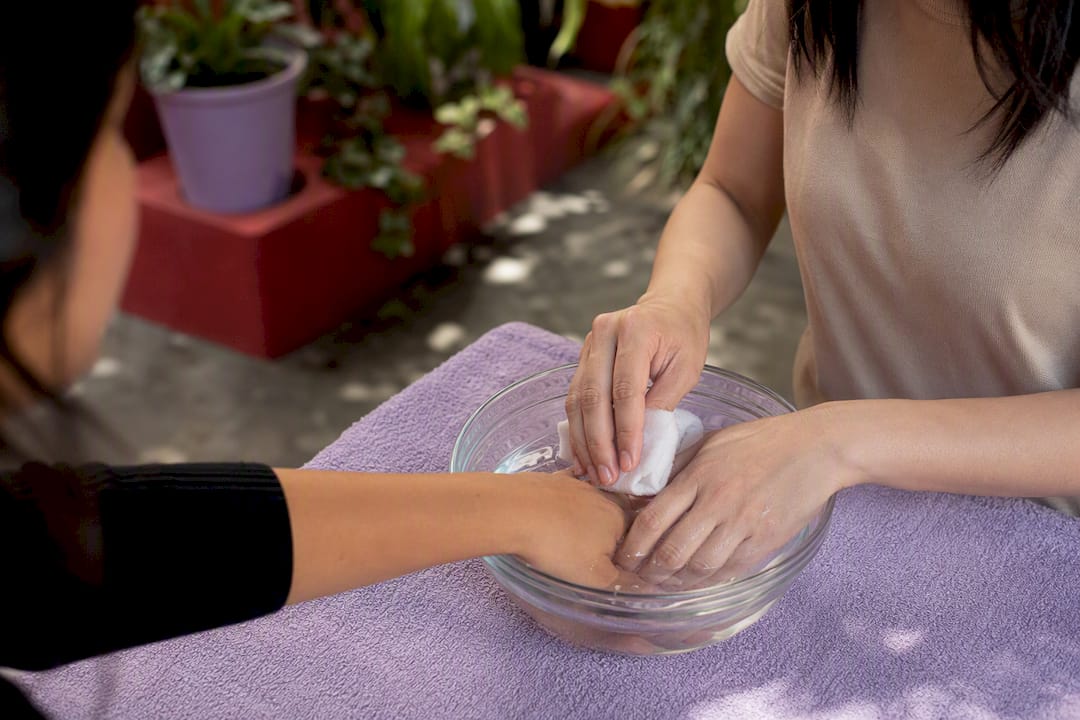
The safest manicure for brittle nails is one that skips heavy mechanical prep and chemical stripping altogether: classic polish or a restorative, non-polymer treatment beats acrylics or aggressive gel removal every time. Keep nails short, apply cuticle oil daily, and never peel off product. If splitting or thinning persists past a few weeks of gentle care, that’s your cue to see a dermatologist.
TL;DR:
Mechanical filing and chemical removal are the primary factors that determine a manicure’s risk to brittle nails, with gentle, non-invasive methods being safest.
Technicians should use minimal buffing, gentle filing, and full acetone soak-off removal to prevent further damage during manicure procedures.
Regular application of cuticle oil, keeping nails short, and avoiding harsh nail hardeners support nail strength and recovery over several months.
The Japanese manicure is a restorative option that buff nutrients into nails without polish or UV light, recommended every two to three weeks during recovery.
Persistent nail issues like severe thinning, discoloration, or shape change require medical evaluation for underlying conditions like anemia or thyroid disorders.
Table of Contents
Manicure Types Ranked by Risk for Weak Nails
Not every manicure damages weak nails the same way, and the difference usually comes down to two things: how much the nail plate gets sanded before application, and how the product comes off afterward. A PubMed case series documented measurable nail-plate thinning, confirmed with ultrasound imaging, after gel polish was applied and then removed the hard way. That single detail explains most of what follows.
Classic polish. Little to no prep, and removal is just polish remover on a cotton pad. This is the baseline against which everything else should be measured, and it’s the right call while nails are actively recovering.
Soak-off gel or BIAB (builder in a bottle). Durable and glossy, but the risk lives almost entirely in the removal step. The American Academy of Dermatology recommends soak-off formulas cured under LED rather than UV, paired with a proper acetone soak instead of prying.
Dip powder and acrylics. Both require more aggressive filing to rough up the nail surface for adhesion, and acrylics in particular need a harder removal process. Neither is a good fit for nails that are already brittle, and repeat use without breaks tends to compound the damage.
Silk wraps and soft overlays. These can actually protect a fragile or torn nail if the technician applies and removes them gently, using thin layers rather than one thick coat.
Japanese manicure. A restorative, polish-free treatment built for recovery phases rather than everyday wear. More on that below.
If you’re weighing enhancement options beyond this list, 10 Nail Enhancement Options for Women breaks down when each style makes sense.
What to Ask Your Nail Technician to Do (and Refuse)
A good technician can make brittle nails worse or better depending entirely on technique, not the polish brand. Bring this checklist to your next appointment.
Ask for minimal buffing. No mechanical drilling on the natural nail plate, ever.
Refuse cuticle cutting. Request a gentle push-back only. The cuticle is a seal against infection, and cutting live tissue removes that barrier for no real benefit.
Request LED curing over UV, and confirm the product is a true soak-off system.
Ask for fine-grit or glass files, filed in one direction with light pressure, rather than a coarse board sawed back and forth.
Insist on professional soak-off removal. No peeling, no scraping with a metal pusher.
Get an oil application immediately after removal. Nails are at their most porous and vulnerable right then.
Pro Tip: Say this exact sentence at check-in: “My nails are brittle, please use minimal buffing and a full acetone soak for removal, not scraping.” Most technicians will adjust their whole approach once they hear it.
For the removal step specifically, Essential Gel Nail Removal Tips walks through what a proper soak-off actually looks like.
Daily Habits That Rebuild Nail Strength
Salon visits only account for maybe an hour every few weeks.
Hydrate constantly. Mayo Clinic recommends cuticle oil two to three times a day, plus hand cream every time you wash your hands.
Protect the plate. Keep nails short, wear cotton-lined rubber gloves for dishes and cleaning, and stop using your nails to open cans or scrape stickers.
Feed your nails from the inside. Protein and biotin-rich foods, eggs, nuts, and leafy greens, support keratin production. If brittleness doesn’t budge after weeks of good care, ask your doctor about checking iron and thyroid levels.
Go easy on hardeners. Short-term use can help, but rigid, stiff formulas actually increase snapping risk because they don’t flex with the nail. A Vogue interview with dermatologists makes a similar point: quick cosmetic fixes rarely solve brittleness that’s rooted in dryness or nutrition.
Nails grow slowly, so a fingernail typically needs several months to fully regrow from base to tip. That’s the real timeline for judging whether a strengthening routine is working. For a fuller daily routine, see Your Nail Care Routine Between Salon Visits.
The Japanese Manicure: A Restorative Option Worth Knowing
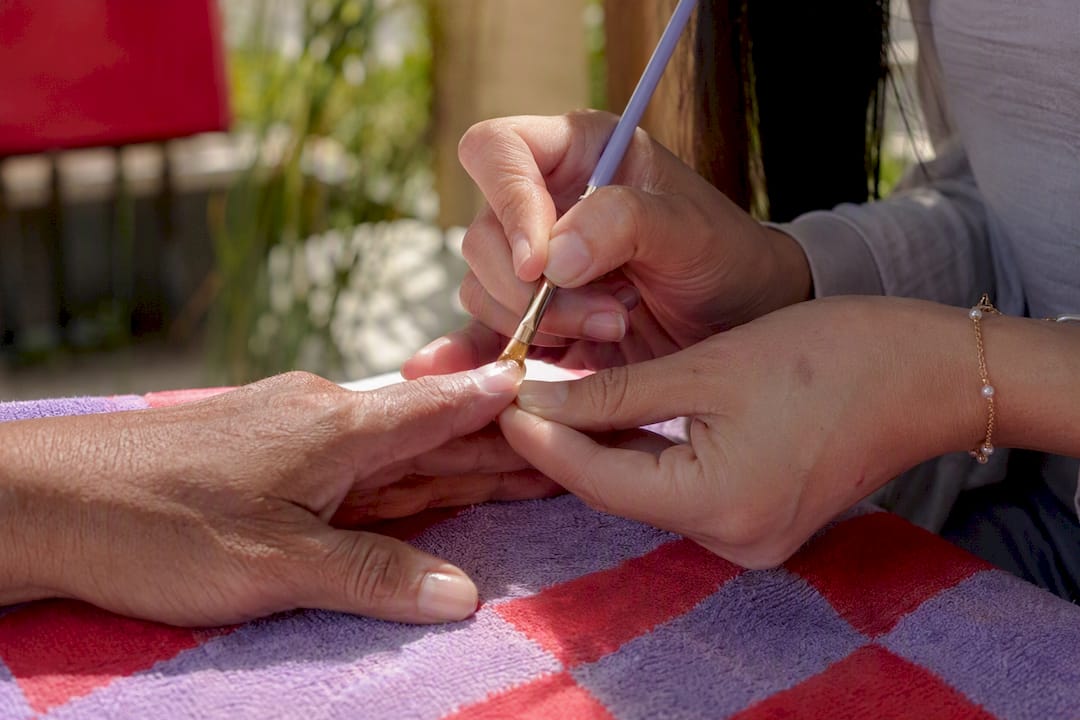
The Japanese manicure, sometimes called P.Shine, skips polish and UV light entirely. It works by buffing nutrients directly into the nail plate rather than sealing something on top of it.
The process runs in stages: nails are cleaned, lightly buffed to open the surface, then a nutrient paste, typically containing beeswax, squalane, and finely milled pearl or diatomaceous powder, gets massaged in. A final buffing step with a soft polishing powder brings out natural shine.
Beeswax and squalane replace lost lipids and slow moisture loss.
Pearl and diatomaceous powders add mineral content and a natural sheen without any chemical topcoat.
Results show up immediately: nails look glossier and feel less papery right after the session.
This isn’t a permanent fix, and most salons recommend it every two to three weeks during a recovery stretch rather than as a one-time treatment. Between visits, keep applying cuticle oil and wear gloves for wet chores, since there’s no polish layer to buffer moisture loss.
Pro Tip: If you love the finish but want your nails covered for an event, wait until at least the second Japanese manicure session before layering a sheer polish on top, giving the nail time to actually absorb the nutrient paste first.
When Brittle Nails Signal a Medical Issue
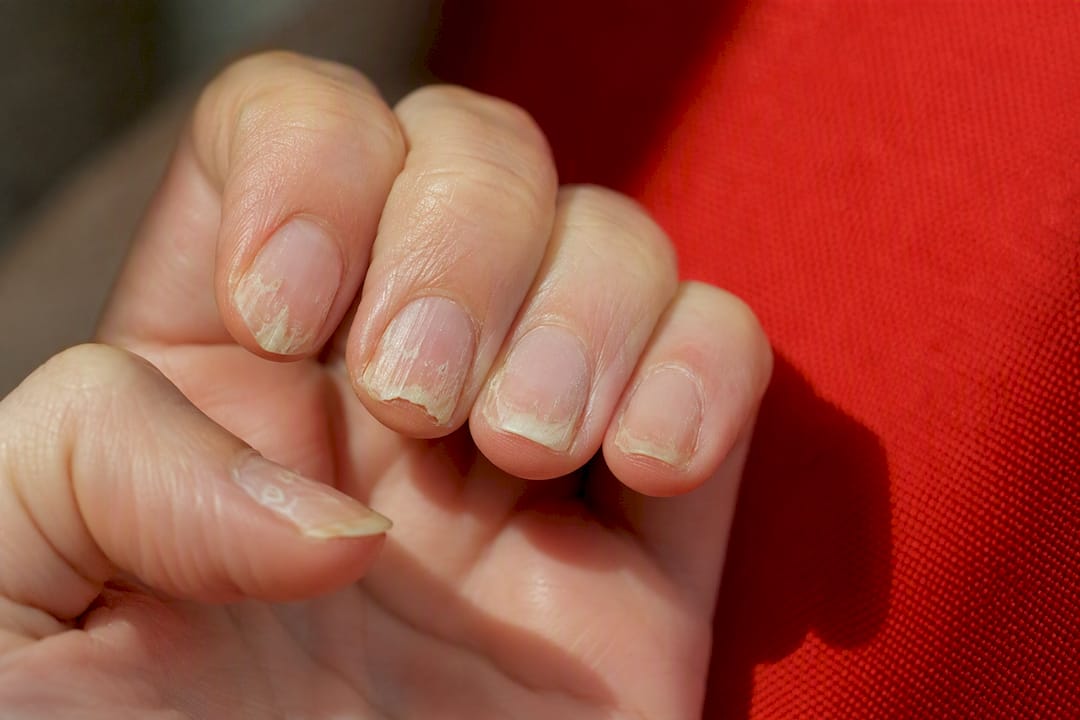
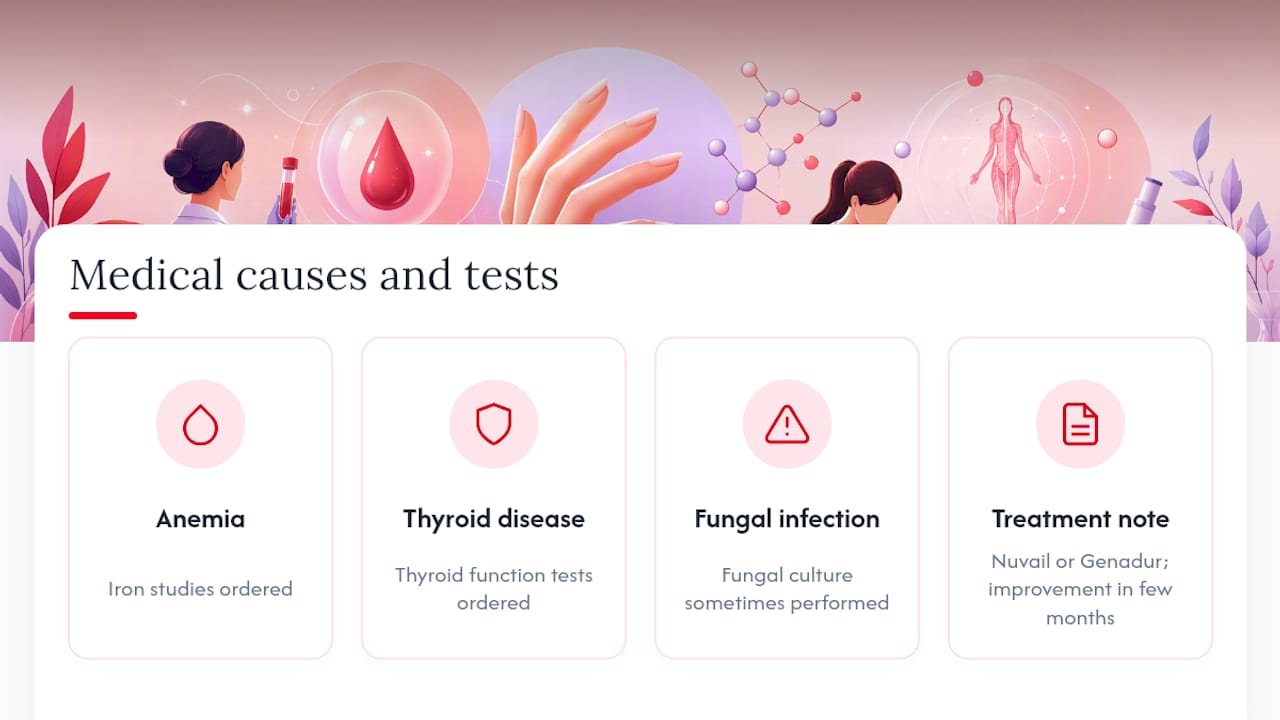
Persistent splitting, severe thinning, dark discoloration, pain, or nails that change shape rapidly aren’t cosmetic problems anymore. A doctor will typically order iron studies and thyroid function tests, sometimes alongside a fungal culture, since anemia and thyroid disease are common underlying causes. For confirmed cases, clinicians may prescribe topical treatments like Nuvail or Genadur, with visible improvement typically taking a few months as new nail grows in.
How TJ Nails Approaches Brittle Nails
We treat brittle nails as a technique problem first, a product problem second. That means gentle prep, restorative treatments over routine acrylics, and soak-off removal instead of scraping, every single time, for every client who mentions weak nails at check-in. If your nails have been through a rough stretch, tell us before the service starts. We’ll adjust filing pressure, skip the cuticle cutting, and suggest whether a Japanese manicure or a simple polish change makes more sense than another enhancement cycle. Curious what a repair-focused visit looks like? How salons handle nail damage covers our general philosophy in more depth.
— MinhHieu
Book a Restorative Manicure Built Around Nail Health
TJ Nails treats brittle-nail clients differently from the moment you sit down. Where a rushed appointment means fast filing and a quick peel-off removal, we start with a consultation, ask about your nail history, and build the service around what your nails can actually handle right now, whether that’s a gentle soak-off, a conservative SNS dip application, or straight classic polish while things heal.

At booking, mention that your nails are brittle or recovering from previous enhancements. That one sentence changes our filing approach, our removal method, and whether we recommend skipping enhancement altogether for a visit or two. If you want longer wear without the usual trade-offs, our SNS dipping service is applied with the same low-trauma approach outlined above rather than the aggressive prep many salons default to. For hydration between visits, a partner resource like DVN’s self-care shop carries gentle oils worth keeping on your desk.
Ready to see the difference gentle technique makes? Book your manicure at our West Bradenton location, or visit TJ Nails to see current hours and services before you come in.
Sources
For deeper clinical background, Mayo Clinic’s nail care guide, the AAD’s gel manicure advice, and the PubMed case report on gel-related thinning cover the clinical evidence behind this article’s recommendations.
This article is general information, not a substitute for advice from a qualified doctor. Consult a qualified healthcare professional about your own circumstances before acting on anything here.
Recommended
Comments